
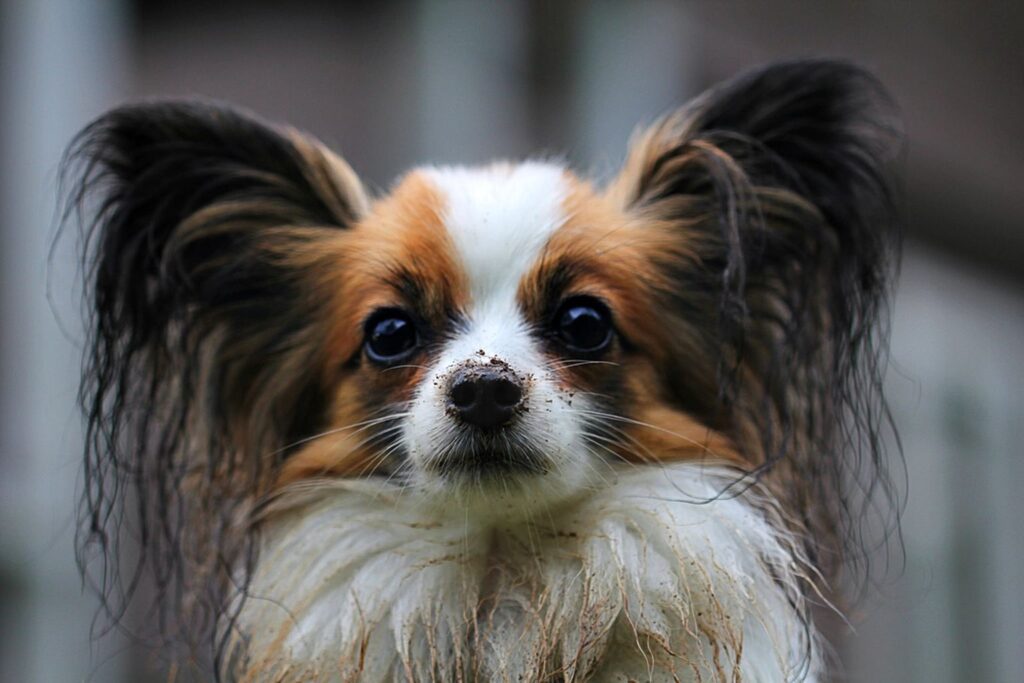
Those big, beautiful eyes your dog uses to gaze at you with unconditional love deserve just as much attention as the rest of their body. Yet, dog eye care is one of the most overlooked aspects of pet wellness. Many owners don’t think about their furry friend’s eye health until something goes wrong — and by then, a minor issue could have turned into a painful, costly problem.
Whether you have a flat-faced Pug prone to eye irritation or a long-haired Shih Tzu whose fur constantly invades their line of sight, every dog breed can benefit from a proactive approach to eye maintenance. In this comprehensive guide, we’ll walk you through everything you need to know about dog eye health, from daily cleaning routines to recognizing the warning signs of infection, plus our top product picks to make the job easier.
Why Dog Eye Care Matters More Than You Think
Your dog’s eyes are not just windows to their soul — they’re essential tools for navigating the world. Dogs rely heavily on their vision to detect movement, judge distances, and communicate with other animals and humans. Neglecting their eye health can lead to discomfort, vision impairment, and even permanent damage.
According to veterinary ophthalmologists, eye problems rank among the top ten reasons dogs visit the vet each year. Conditions like dog eye infections, cataracts, glaucoma, and corneal ulcers can escalate quickly if left untreated. The good news? Most of these issues are preventable — or at least catchable early — with a consistent care routine.
Understanding Your Dog’s Eye Anatomy
Before diving into care tips, it helps to understand the basics of how your dog’s eyes work. A dog’s eye structure is remarkably similar to a human’s, featuring a cornea, lens, retina, and tear ducts. However, there are some key differences:
- Third eyelid (nictitating membrane): Dogs have an extra eyelid that helps protect the eye and distribute tears. If you notice this membrane becoming visible or red, it could signal a problem.
- Tear production: Dogs produce tears to keep their eyes moist and flush out debris. Excessive tearing or dry eyes can both indicate underlying issues.
- Night vision: Dogs have a reflective layer behind the retina called the tapetum lucidum, which enhances their ability to see in low light.
Signs of Eye Problems in Dogs
Being a vigilant pet parent means knowing what to look for. Dogs can’t tell you their eyes are bothering them, so you need to read the signs. Here are the most common indicators that something is wrong with your dog’s eyes:
- Excessive tearing or discharge: Clear discharge is normal, but yellow, green, or thick mucus-like discharge is a red flag.
- Redness or swelling: Inflamed tissue around the eye or on the eyelids often points to irritation or infection.
- Squinting or pawing at the eyes: If your dog is frequently squinting or rubbing their face against furniture, they may be experiencing pain or itchiness.
- Cloudiness or change in eye color: A hazy or bluish tint to the cornea can indicate cataracts, glaucoma, or other serious conditions.
- Bumping into objects: Sudden clumsiness or difficulty navigating familiar spaces may suggest vision loss.
- Bulging eyes: Particularly common in brachycephalic breeds, but sudden bulging warrants an immediate vet visit.
“Early detection is the single most important factor in successfully treating canine eye conditions. What seems like a minor irritation today could become a serious threat to your dog’s vision tomorrow.” — Dr. Sarah Mitchell, DVM, Board-Certified Veterinary Ophthalmologist
Daily Dog Eye Care Routine: Step-by-Step
Establishing a simple daily routine is the foundation of good dog eye care. Here’s a practical, easy-to-follow routine you can incorporate into your daily bonding time with your pup:
1. Gentle Daily Inspection
Take 30 seconds each day to look at your dog’s eyes in good lighting. Check for any discharge, redness, cloudiness, or foreign objects. Make it a positive experience by pairing it with a treat or gentle praise.
2. Wipe Away Discharge and Debris
Use a soft, damp cloth or a veterinary-approved eye wipe to gently clean around your dog’s eyes. Always wipe from the inner corner outward. Avoid using cotton balls, as fibers can get stuck in the eye. For dogs with tear staining (common in light-coated breeds), daily wiping helps prevent staining and bacterial buildup.
3. Keep Facial Hair Trimmed
If your dog has long facial hair, keep it trimmed around the eyes to prevent irritation. Hair poking into the eye can cause corneal scratches and chronic discomfort. If you’re not comfortable trimming around the eyes yourself, ask your groomer to include an eye trim in their regular grooming sessions. (Read more: Internal link suggestion — link to “Dog Grooming Tips for Beginners”)
4. Protect Eyes During Bath Time
Shampoo and soap are major irritants for dogs’ eyes. When bathing your dog, be extremely careful to keep water and cleaning products away from their face. Use a damp cloth to clean around the face instead of pouring water over their head.
5. Rinse After Outdoor Adventures
After walks in dusty, windy, or sandy environments, rinse your dog’s eyes with a veterinarian-approved saline solution or eye wash. This helps flush out pollen, dust, and other debris that could cause irritation.
Common Dog Eye Conditions and How to Prevent Them
Understanding the most common eye conditions can help you take targeted preventive measures. Here’s a breakdown:
Conjunctivitis (Pink Eye)
One of the most frequent dog eye infections, conjunctivitis causes redness, swelling, and discharge. It can be triggered by allergies, bacteria, viruses, or foreign bodies. Prevention includes keeping your dog’s environment clean, avoiding known allergens, and maintaining a regular cleaning routine.
Dry Eye (Keratoconjunctivitis Sicca)
This condition occurs when the tear glands don’t produce enough moisture. Symptoms include thick, sticky discharge and frequent blinking. Breeds like Bulldogs, Cocker Spaniels, and West Highland White Terriers are particularly susceptible. Your vet may prescribe artificial tears or immunosuppressive medications.
Cataracts
Cataracts cause the lens of the eye to become cloudy, eventually leading to vision loss. They’re often hereditary but can also result from diabetes or aging. While cataracts can’t always be prevented, regular vet checkups can catch them early, and surgical options are available.
Corneal Ulcers
Scratches or trauma to the cornea can develop into painful ulcers. Dogs who play rough, spend time in brush-heavy areas, or have prominent eyes (like Pugs and Boston Terriers) are at higher risk. Keeping your dog’s nails trimmed and supervising play can reduce the risk. (Read more: Internal link suggestion — link to “How to Trim Your Dog’s Nails Safely”)
Glaucoma
Glaucoma involves increased pressure within the eye and can lead to permanent blindness if not treated promptly. Symptoms include a dilated pupil, redness, and a visibly enlarged eye. Certain breeds, including Cocker Spaniels, Basset Hounds, and Chow Chows, are genetically predisposed.
Top Dog Eye Care Product Recommendations
Having the right products on hand makes maintaining your dog’s eye health much easier. Here are our top picks based on veterinary recommendations, customer reviews, and ingredient safety:
Best Eye Wash: Burt’s Bees for Dogs Eye Wash Solution
This gentle, pH-balanced formula is made with saline and chamomile extract to safely flush debris and soothe irritated eyes. It’s free from fragrances, sulfates, and harsh chemicals. Ideal for use after outdoor play or as a daily rinse for allergy-prone dogs.
- Pros: All-natural ingredients, affordable, suitable for all breeds
- Cons: May not be strong enough for active infections
- Price range: $5–$8
Best Eye Wipes: Petpost Dog Eye Wipes
These pre-moistened wipes are specifically designed for tear stain removal and daily eye cleaning. They contain coconut oil and aloe vera to condition the skin while gently removing buildup. The soft, textured pads make it easy to clean around your dog’s eyes without causing irritation.
- Pros: Convenient, pre-soaked, hypoallergenic
- Cons: Not a substitute for veterinary treatment for infections
- Price range: $10–$15
Best Tear Stain Remover: Angels’ Eyes Gentle Tear Stain Wipes
Specifically formulated for breeds prone to tear staining (Maltese, Shih Tzu, Poodle), these wipes help reduce discoloration around the eyes over time. They’re bleach-free and safe for daily use.
- Pros: Effective for light-colored coats, easy to use
- Cons: Results may take several weeks to appear
- Price range: $8–$12
Best Protective Gear: Doggles Originalz Eye Protection
For dogs who spend a lot of time outdoors — whether on boat rides, car trips with heads out the window, or hiking adventures — Doggles provide UV protection and a physical barrier against wind, dust, and debris. They come in multiple sizes and have adjustable straps for a secure fit.
- Pros: UV400 protection, shatterproof lenses, adjustable
- Cons: Some dogs may resist wearing them initially
- Price range: $15–$25
Breed-Specific Dog Eye Health Considerations
Not all dogs face the same eye health risks. Genetics and physical structure play a huge role in determining which conditions your dog may be prone to:
- Brachycephalic breeds (Pugs, Bulldogs, Boston Terriers): Their flat faces and prominent eyes make them vulnerable to corneal ulcers, dry eye, and proptosis (eye displacement). Extra vigilance is required.
- Long-haired breeds (Shih Tzus, Lhasa Apsos, Old English Sheepdogs): Hair irritation and blocked tear ducts are common concerns. Regular grooming is essential.
- Large breeds (Labrador Retrievers, German Shepherds, Golden Retrievers): More susceptible to cataracts and progressive retinal atrophy (PRA). Annual eye exams are recommended.
- Small breeds (Chihuahuas, Pomeranians, Toy Poodles): Prone to tear staining, luxating patellas, and dry eye. Daily cleaning helps manage symptoms.
Nutrition and Dog Eye Health: Feed Their Vision
What your dog eats directly impacts their eye health. A nutrient-rich diet can support long-term vision and reduce the risk of degenerative eye conditions. Key nutrients for dog eye health include:
- Vitamin A: Essential for retinal function. Found in liver, carrots, sweet potatoes, and spinach.
- Omega-3 fatty acids: Reduce inflammation and support tear production. Found in fish oil, salmon, and sardines.
- Lutein and zeaxanthin: Antioxidants that protect the lens and retina. Found in kale, eggs, and broccoli.
- Taurine: An amino acid critical for retinal health. Found in meat, fish, and eggs.
- Vitamin C and E: Powerful antioxidants that combat oxidative stress in eye tissues.
Consider supplementing your dog’s diet with a high-quality fish oil or an eye health supplement if their regular food doesn’t provide adequate levels of these nutrients. Always consult your veterinarian before adding supplements to your dog’s diet. (Read more: Internal link suggestion — link to “Best Supplements for Dogs”)
When to See the Vet: Don’t Wait on These Warning Signs
While routine care goes a long way, some situations demand professional attention. Take your dog to the veterinarian — or an emergency animal hospital — if you notice any of the following:
- Sudden onset of blindness or significant vision changes
- Visible trauma to the eye (puncture, bleeding, swelling)
- Persistent squinting that doesn’t resolve within 24 hours
- Thick, colored (yellow or green) discharge
- A visibly enlarged or bulging eye
- White or cloudy appearance on the eye’s surface
- Your dog showing signs of pain (whimpering, lethargy, loss of appetite)
Remember: eye conditions can worsen rapidly. What looks minor on Monday could become a veterinary emergency by Wednesday. When in doubt, always err on the side of caution and schedule an appointment. (Read more: Internal link suggestion — link to “How to Know When Your Dog Needs Emergency Vet Care”)
Key Takeaways: Dog Eye Care at a Glance
- Inspect your dog’s eyes daily for signs of redness, discharge, cloudiness, or irritation.
- Clean around the eyes regularly with a damp cloth or approved eye wipes.
- Keep facial hair trimmed and protect eyes during baths and outdoor activities.
- Know your breed’s specific eye health risks and take preventive measures.
- Support eye health through a balanced diet rich in Vitamin A, omega-3s, and antioxidants.
- Invest in quality eye care products like wash solutions, wipes, and protective eyewear.
- Never hesitate to visit the vet if you notice concerning symptoms — early intervention saves sight.
Conclusion: Your Dog’s Eyes Deserve Daily Attention
Your dog looks at you with trust, love, and devotion every single day. The least we can do in return is make sure their eyes stay as healthy and comfortable as possible. A consistent dog eye care routine doesn’t require a lot of time or money — just a few minutes of daily attention, the right products, and awareness of the warning signs that something might be wrong.