
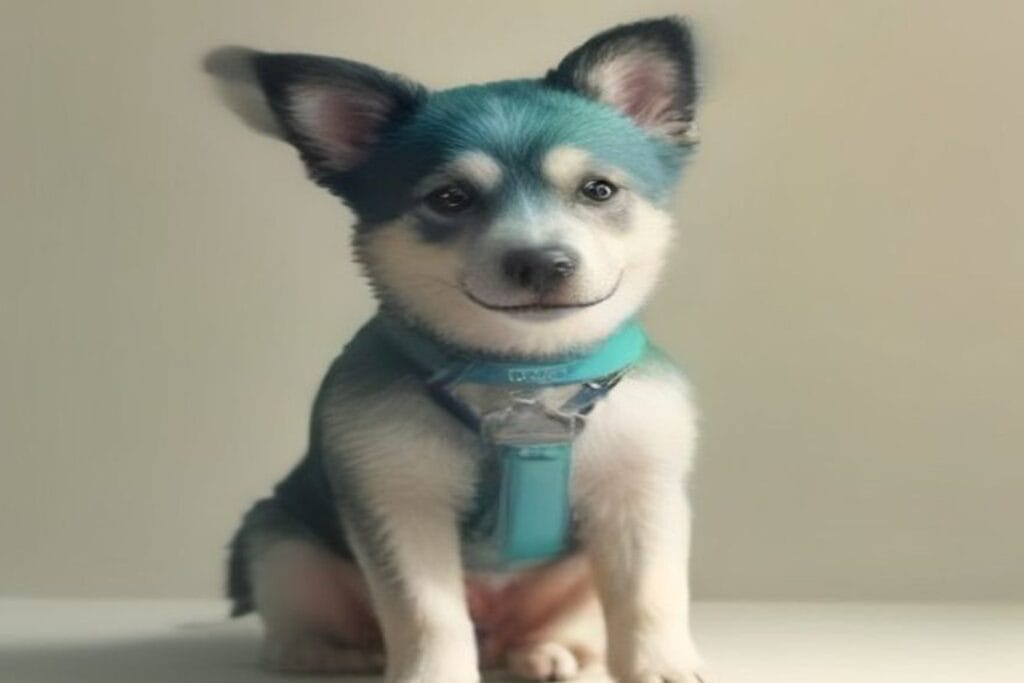
If you’ve ever been pulled down the sidewalk by an enthusiastic pup or worried about neck strain from a traditional collar, you already know the importance of finding the best dog harness for your four-legged companion. A well-fitted harness doesn’t just make walks more enjoyable — it can protect your dog’s trachea, spine, and overall musculoskeletal health.
In this comprehensive guide, we’ve compiled detailed dog harness reviews based on durability, comfort, safety features, and real-world performance. Whether you have a tiny Chihuahua, a rambunctious Labrador, or a powerful German Shepherd, we’ll help you find the perfect fit.

Why Switch to a Dog Harness? The Health Benefits You Need to Know
Before diving into our top picks, let’s understand why veterinarians and dog trainers increasingly recommend harnesses over traditional collars for daily walks.
Protects the Neck and Trachea
Traditional collars place direct pressure on your dog’s neck when they pull. Over time, this can lead to tracheal collapse, cervical vertebrae damage, and even eye pressure increases in brachycephalic breeds like Pugs and Bulldogs. A harness distributes pressure across the chest and shoulders, significantly reducing these risks.
Better Control and Reduced Pulling
A quality no-pull dog harness redirects your dog’s forward momentum without causing discomfort. Front-clip designs gently turn your dog toward you when they pull, making walks safer and more manageable — especially for owners of large or strong breeds.
Ideal for Small Breeds and Senior Dogs
Small dogs are particularly vulnerable to neck injuries from collars. Senior dogs with arthritis or joint issues also benefit from harnesses that allow you to gently support and lift them when needed. Consider a step-in harness designed specifically for small breeds for maximum comfort.
“A properly fitted harness is one of the simplest changes a dog owner can make to improve their pet’s walking experience and long-term health.” — Dr. Sarah Mitchell, DVM, Canine Orthopedics Specialist
How to Choose the Best Dog Harness: Key Features to Consider
Not all harnesses are created equal. Here are the critical factors to evaluate before making your purchase:
1. Harness Type
- Back-clip harness: The leash attaches between the shoulder blades. Best for dogs that don’t pull heavily. Easy to put on and comfortable for casual walks.
- Front-clip harness: The leash attaches at the chest. Ideal as a no-pull dog harness because it redirects pulling motion. Recommended by trainers for leash training.
- Dual-clip harness: Features both front and back attachment points. Offers maximum versatility for training and everyday use.
- Vest harness: Provides broader coverage and weight distribution. Excellent for small breeds and dogs with respiratory issues.
2. Sizing and Fit
An ill-fitting harness can cause chafing, restricted movement, or allow your dog to slip free. Always measure your dog before purchasing:
- Chest girth: Measure around the widest part of the ribcage, just behind the front legs.
- Neck circumference: Measure where a collar would naturally sit.
- Body length: Measure from the base of the neck to the base of the tail (for vest-style harnesses).
A properly fitted harness should allow you to fit two fingers between the straps and your dog’s body. Check out our complete measuring guide for step-by-step instructions.
3. Material and Durability
Look for breathable mesh for warm climates, padded neoprene for comfort, and reinforced nylon webbing for durability. Reflective stitching or trim is a valuable safety feature for evening walks.
4. Ease of Use
If your dog gets impatient during gear-up time, opt for a step-in or overhead design with quick-release buckles. Positive reinforcement during harness training can also make the process smoother.
Best Dog Harnesses Reviewed: Our Top Picks for 2024
After extensive testing with dogs of various sizes, temperaments, and activity levels, here are our top recommendations based on our dog harness reviews:
1. Ruffwear Front Range Harness — Best Overall
Rating: ★★★★★ (4.9/5)

The Ruffwear Front Range consistently tops our list as the best dog harness for its exceptional combination of comfort, durability, and versatility. This dual-clip harness features a padded chest and belly panel that distributes load evenly.
- Pros: Dual leash attachment points, reflective trim, four points of adjustment, foam-padded construction
- Cons: Higher price point, may be too warm for extremely hot climates
- Best for: Active dogs, hiking companions, daily walkers
- Size range: XXS to XL (11–42 inch chest)
- Price: $39.95–$49.95
The front clip makes it an effective no-pull dog harness during training, while the back clip is perfect for well-behaved walkers. The ID pocket on top is a thoughtful touch that eliminates the need for a separate tag.
2. Kurgo Tru-Fit Smart Harness — Best for Car Travel
Rating: ★★★★☆ (4.7/5)

The Kurgo Tru-Fit stands out for its dual functionality as both a walking harness and a car safety restraint. It’s crash-tested for dogs up to 75 pounds and includes a carabiner attachment for seatbelt use.
- Pros: Crash-tested for vehicle safety, steel nesting buckles, five adjustment points, includes seatbelt tether
- Cons: Can be tricky to adjust initially, not ideal for very small dogs
- Best for: Road trip enthusiasts, dogs that ride in cars frequently
- Size range: XS to XL
- Price: $30.95–$40.95
If your dog regularly accompanies you on car rides, this harness is an essential safety tool. Learn more about car safety for dogs in our dedicated guide.
3. PetSafe Easy Walk Harness — Best No-Pull Dog Harness
Rating: ★★★★☆ (4.6/5)

Endorsed by veterinarians and trainers worldwide, the PetSafe Easy Walk is the gold standard when it comes to no-pull dog harnesses. Its patented front-clip design gently steers your dog back toward you when they pull, without applying pressure on the throat.
- Pros: Veterinarian-recommended, lightweight design, quick-snap buckles, affordable price
- Cons: No back-clip option, minimal padding, some dogs can chew through the belly strap
- Best for: Strong pullers, leash training, reactive dogs
- Size range: Petite to X-Large
- Price: $22.95–$29.95
This harness has transformed walks for thousands of dog owners struggling with leash reactivity. For more tips on managing pulling behavior, see our leash pulling guide.
4. Julius-K9 IDC Powerharness — Best for Large Breeds
Rating: ★★★★☆ (4.6/5)

Originally developed for professional working dogs, the Julius-K9 is a powerhouse harness built for large, strong breeds. Its robust construction and ergonomic design make it a favorite among owners of German Shepherds, Rottweilers, and similar breeds.
- Pros: Extremely durable, reflective chest strap, interchangeable patches, easy to put on
- Cons: No front-clip option, can be bulky on smaller dogs, limited color options
- Best for: Large and giant breeds, working dogs, service dogs
- Size range: Baby 1 to Size 4 (covers 12–33 inch chest)
- Price: $35.99–$55.99
5. Blue-9 Balance Harness — Best for Custom Fit
Rating: ★★★★★ (4.8/5)

The Blue-9 Balance Harness is a trainer favorite thanks to its six points of adjustment that allow for a truly custom fit on any body type. It’s particularly excellent for dogs with unique proportions — deep-chested breeds, barrel-chested dogs, or those between standard sizes.
- Pros: Six adjustment points, dual-clip capability, lightweight Y-shaped design, won’t restrict shoulder movement
- Cons: Minimal padding, fewer color options, can be confusing to adjust at first
- Best for: Training, dogs with unusual body proportions, performance dogs
- Size range: XS to L
- Price: $34.95–$39.95
6. Voyager Step-In Air Dog Harness — Best Budget Option
Rating: ★★★★☆ (4.4/5)
For budget-conscious pet parents, the Voyager Step-In Air offers surprising quality at an entry-level price. The all-weather mesh construction is breathable and comfortable, and the step-in design makes it incredibly easy to put on.
- Pros: Very affordable, breathable mesh, step-in simplicity, wide range of colors
- Cons: Back-clip only, less durable for heavy pullers, limited adjustability
- Best for: Small to medium dogs, calm walkers, budget shoppers
- Size range: XS to XL
- Price: $10.99–$14.99
Key Takeaways: Choosing the Right Harness
- For pullers: The PetSafe Easy Walk or any front-clip harness is your best bet for managing pulling behavior.
- For active lifestyles: The Ruffwear Front Range offers the durability and versatility needed for hiking and outdoor adventures.
- For car travelers: The Kurgo Tru-Fit provides crucial crash-tested safety during vehicle rides.
- For large breeds: The Julius-K9 IDC Powerharness delivers the strength and control needed for powerful dogs.
- For a custom fit: The Blue-9 Balance Harness excels with its six-point adjustment system.
- For budget shoppers: The Voyager Step-In Air provides solid quality at an unbeatable price.
- Always measure your dog before purchasing and check the fit regularly, especially for growing puppies.
- Introduce gradually — let your dog sniff and explore the harness before wearing it, and reward with treats.
Common Mistakes to Avoid When Using a Dog Harness
Even the best dog harness won’t work properly if used incorrectly. Here are common pitfalls to watch for:
Incorrect Sizing
A harness that’s too tight can restrict breathing and cause chafing, while one that’s too loose allows your dog to escape. Re-measure your dog every six months and after significant weight changes. Puppies may need new sizes as frequently as every few weeks during growth spurts.
Using It Only During Walks
Some dogs develop negative associations with the harness if it only signals the end of play or the start of stressful situations. Put the harness on during calm indoor time, treat sessions, and relaxed activities to build positive associations.
Ignoring Signs of Discomfort
Watch for these warning signs that your harness doesn’t fit properly or is causing issues:
- Excessive scratching or rubbing at the harness area
- Red marks, hair loss, or sores under the straps
- Restricted gait or shortened stride
- Reluctance to walk or freezing in place
- Chafing in the armpit area (common with Y-shaped harnesses)
Not Replacing Worn Harnesses
Inspect your harness regularly for frayed stitching, weakened buckles, and stretched elastic. A harness failure during a walk near traffic could be catastrophic. Most quality harnesses should be replaced every 1–3 years depending on use and wear.