
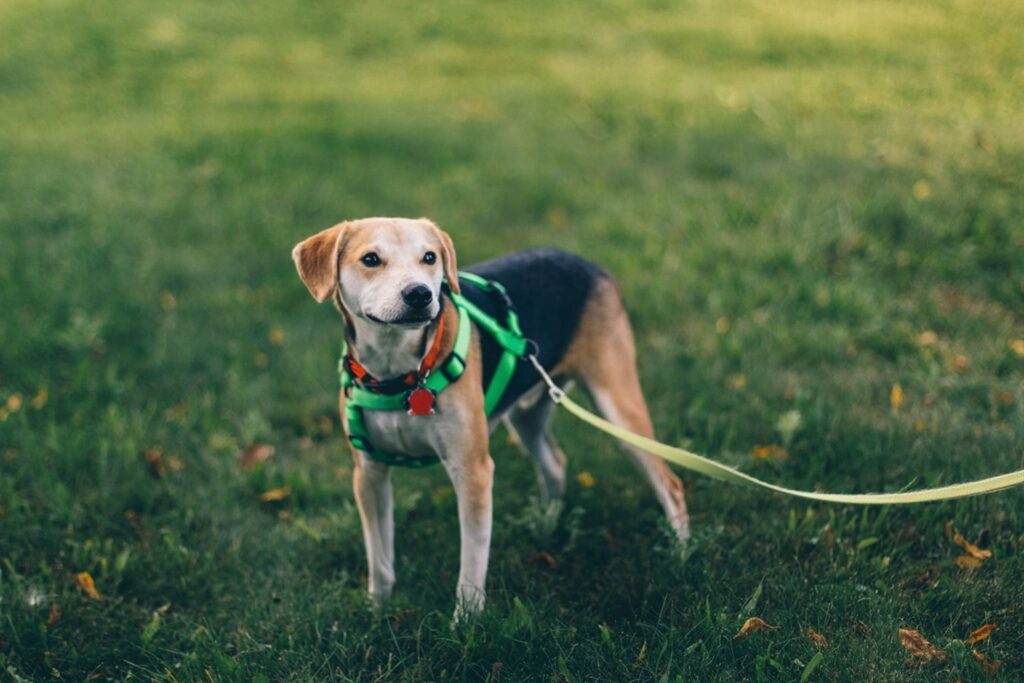
Every walk is a chance to bond with your dog, explore the neighborhood, and burn off energy. But the right experience starts with the right equipment. With so many styles, materials, and sizes available, finding the best dog leashes and best dog collars can feel overwhelming. This guide breaks down what matters most so you can choose dog walking gear with confidence.
Why the Right Leash and Collar Matter
A collar and leash are more than accessories. They are safety tools that keep your dog secure and give you control in unpredictable situations. A collar that slips off can let a dog escape. A leash that is too long or poorly made can make walks stressful. The wrong fit can rub, pinch, or even cause injury over time.
Good dog walking gear also supports training. A comfortable collar and a well-matched leash make it easier to teach loose-leash walking and respond quickly when you need to. For dogs that pull hard, a plain collar may put pressure on the trachea, so it is worth understanding when a harness might be a kinder choice.
How to Choose the Best Dog Collars
Collars serve two main purposes: holding identification and providing a attachment point for a leash. Not every collar is ideal for every dog, and the best dog collars balance comfort, security, and durability.
Fit and Sizing
Measure your dog’s neck with a soft tape measure. You should be able to fit two fingers comfortably under the collar, but not slide it over the head easily. Check the fit monthly, especially for puppies and dogs that gain or lose weight. A collar that is too loose can slip off during a walk, while one that is too tight can cause chafing and discomfort.
Materials and Hardware
Nylon is lightweight, durable, and easy to clean. Leather is comfortable and classic but needs care. Biothane is waterproof and great for muddy adventures. Look for strong metal hardware, such as a welded D-ring and a reliable buckle. Plastic buckles can weaken over time. Reflective stitching or bright colors improve visibility on evening walks.
Collar Types for Different Needs
- Flat collar: A great everyday choice for ID tags and gentle walkers.
- Martingale collar: Helpful for dogs with narrow heads that can slip out of flat collars. It tightens slightly but should never choke.
- Limited-slip collar: Offers a safety limit on tightening and can be a good backup for escape artists.
- Breakaway collar: Designed to release under pressure. Useful for safety in some situations, but not for leash walking.
Avoid choke chains and prong collars unless a qualified trainer or veterinary behaviorist has recommended them for a specific situation. They can cause injury when used incorrectly.
Health Considerations
Dogs with sensitive necks, small breeds, senior dogs, and flat-faced breeds may do better with a harness for walking. Watch for coughing, gagging, or rubbing. If your dog pulls constantly, a collar alone may not be the best choice for daily walks.
How to Choose the Best Dog Leashes
The best dog leashes match your dog’s size, strength, and walking environment. Length, material, handle comfort, and clip quality all matter.
Length and Purpose
A standard 4-6 foot leash offers good control for neighborhood walks and training. Longer lines of 10-30 feet are useful for recall practice and sniffing in safe, open areas. Retractable leashes can be convenient in some settings, but they are not ideal for crowded areas, strong pullers, or dogs in training because they offer less control.
Materials and Hardware
Nylon is affordable and strong. Leather softens with use and feels comfortable in the hand. Biothane resists water and dirt. Rope leashes are durable but can be heavy. Check the clip: a sturdy bolt snap or trigger snap is essential. Padded handles reduce hand fatigue on long walks.
Leash Types at a Glance
- Standard leash: Best all-around choice for daily walks and training.
- Long line: Great for safe sniffing and recall practice in open spaces.
- Hands-free leash: Useful for running, hiking, or carrying supplies.
- Double leash: Helps manage two dogs without tangling.
- Retractable leash: Convenient for some calm dogs, but use with caution.
Safety tip: Always check your leash and collar hardware before a walk. A worn clip or frayed stitching can fail when your dog lunges.
Product Review: Top Picks for Dog Walking Gear
These picks are based on the features that matter most: fit, durability, control, and comfort. No single product suits every dog, so use these categories as a starting point.
Best Overall Collar: Flat Nylon Collar with Metal Buckle
A well-made flat nylon collar with a metal buckle and welded D-ring is hard to beat for everyday use. It is easy to clean, holds ID tags securely, and comes in many sizes. Look for reflective stitching if you walk at dawn or dusk.
Best Collar for Pullers or Narrow Heads: Martingale or Limited-Slip Collar
If your dog can slip out of a standard collar, a martingale or limited-slip design adds security without constant choking. Pair it with loose-leash training and consider a harness for heavy pullers.
Best Everyday Leash: 5-6 Foot Nylon or Leather Leash
A 5-6 foot leash gives enough freedom for sniffing while keeping your dog close in busy areas. Choose a padded handle and a strong metal clip. This is the most versatile leash for most dog owners.
Best Long Line: 15-30 Foot Biothane or Nylon Long Line
A long line is excellent for recall training and supervised exploration in parks or fields. Use it only in safe areas away from traffic. Biothane is easy to wipe clean after muddy adventures.
Best Hands-Free Leash: Adjustable Waist Leash with Bungee
Hands-free leashes are popular for runners and hikers. Look for an adjustable waist belt, a bungee section to reduce jarring, and a quick-release buckle. Always keep a short traffic handle for close control near roads.
Practical Tips for Safer, Happier Walks
- Inspect your leash, collar, and clips before every walk.
- Use the two-finger rule to check collar fit, and recheck it monthly.
- Keep ID tags current and make sure your dog is microchipped.
- Reward loose-leash walking with treats and praise.
- Use a shorter leash in crowded areas and near traffic.
- Introduce new gear gradually with positive associations.
- Wash gear according to the manufacturer’s instructions and replace worn items.
- Wear reflective gear or use a light-up collar at night.
- Never tie your dog with a leash and leave them unattended.
Common Mistakes to Avoid
- Choosing a collar by breed size instead of measuring the neck.
- Using a retractable leash for a strong puller.
- Leaving a collar on a dog inside a crate, where it can catch.
- Ignoring rust, fraying, or bent hardware.
- Jerking or punishing with the leash instead of training.
- Using a long leash in busy streets or unsafe areas.
When to Consider a Harness Instead
If your dog pulls hard, coughs on walks, has neck sensitivity, or is a flat-faced breed, a well-fitted harness can distribute pressure more comfortably across the chest. Choose a Y-front harness that allows free shoulder movement and pair it with a standard leash. A collar can still hold ID tags.
Key Takeaways
- The best dog collars fit snugly but comfortably and use strong hardware.
- The best dog leashes match length and material to your walking environment.
- Dog walking gear should be inspected often and replaced when worn.
- Harnesses can be a safer choice for dogs that pull or have neck issues.
- Training and consistency matter as much as the equipment itself.
Conclusion
Choosing the best dog leashes and collars does not have to be complicated. Start with a well-fitted collar, a sturdy 5-6 foot leash, and strong metal hardware. Add a long line or hands-free leash if your lifestyle calls for it. Prioritize comfort, safety, and control, and you will make every walk more enjoyable for both you and your dog.
Ready to upgrade your walks? Measure your dog’s neck, inspect your current leash and collar, and replace any worn gear today. A small investment in the right equipment can make every walk safer and more enjoyable for both of you.